Maintenance on Schedule: Why It Matters More Than Ever
How regular service builds trust in local shops and keeps vehicles safer, longer.
The Hook
The independent repair shop lives by a principle that no dealership can match: they want your car to run well, not fail dramatically. That mission shapes everything from how they talk to customers to which parts they recommend. When vehicle owners follow a maintenance schedule instead of reacting to warning lights, they strengthen this relationship in ways that matter. They give their mechanic the information needed to catch small problems before they become expensive ones. They prove that trust works both ways.
Across New Hampshire and the region, independent repair shops exist to serve that goal. They depend on the kind of regular service that keeps people driving safely and extending vehicle life. The shops we work with understand maintenance as both a business practice and a commitment to the drivers in their communities.
The Takeaway
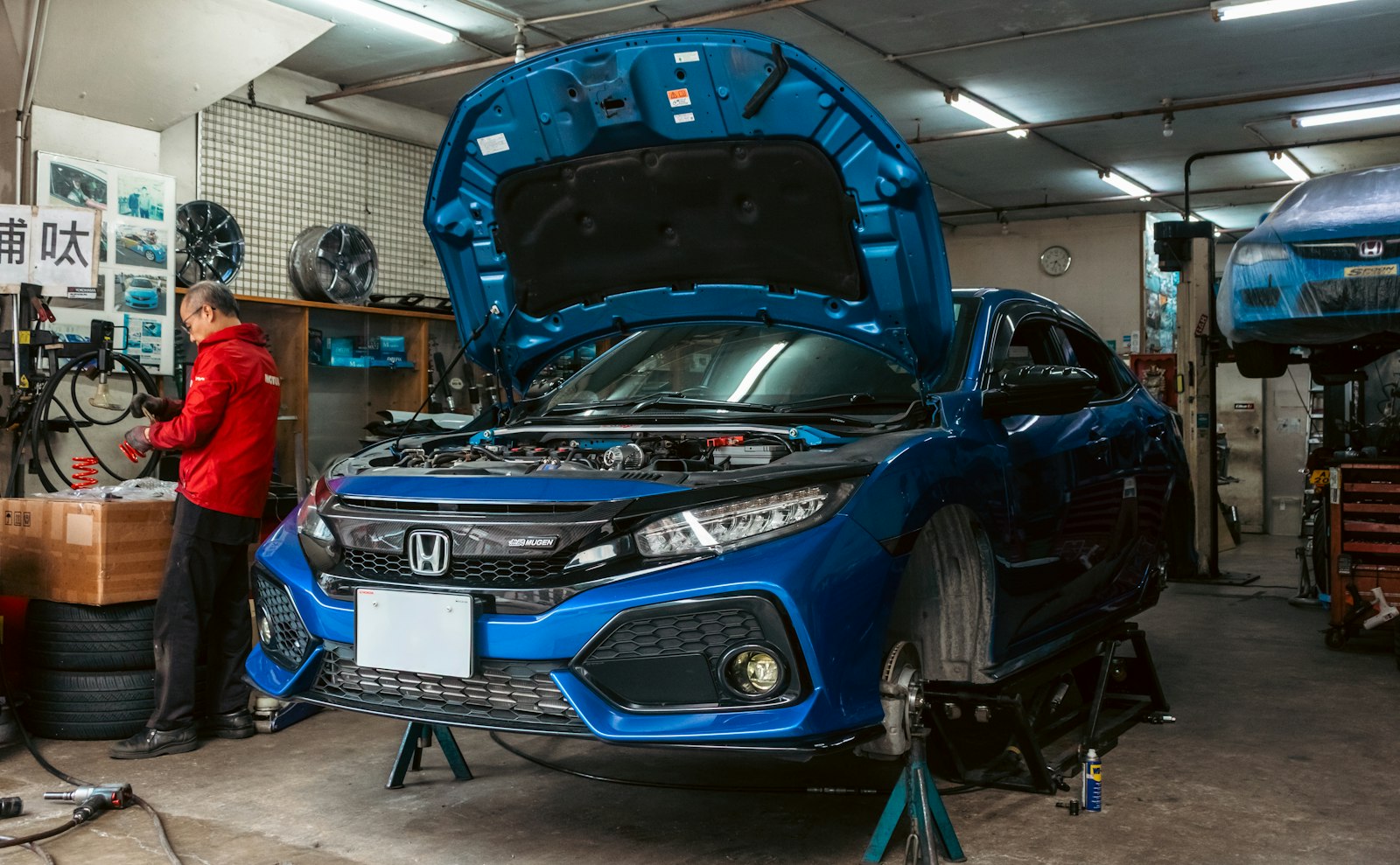
A well-equipped service bay is built for diagnostic work and precision. Modern shops use equipment and methodical process to catch what drivers cannot see.
A Worked Example
Why does scheduled oil service matter if your oil level seems fine?
Oil breaks down over time and under heat. Modern oils last longer than they once did, but they do not last forever. The additives that protect your engine against wear gradually lose effectiveness. By the time an oil-level warning appears, the protection has already diminished. Following the manufacturer's schedule replaces your oil before it degrades to the point where it stops protecting engine parts. A shop that performs this service at the right intervals knows your vehicle's history and can catch related issues: worn belts, clogged filters, or fluid leaks that indicate bigger problems ahead.
How does a mechanic know what "the schedule" actually is?
Your vehicle comes with a maintenance schedule in the owner's manual. For many cars, you can also find it through the manufacturer's website using your vehicle identification number. Modern vehicles are far more sophisticated than older ones, and they have many more scheduled services: transmission fluid, coolant, spark plugs, brake fluid, fuel filters, and more. Each has its own interval measured in miles or months. A thorough shop prints out your specific schedule and reviews it with you, because maintenance is not one-size-fits-all. They can also advise you on repairs that are not yet required but are worth planning for, so you never find yourself stranded.
What does regular maintenance do for you if nothing is broken?
It prevents the failure mode from ever happening. A transmission that receives fluid changes on schedule stays healthier far longer than one that only gets serviced after slipping. Brakes that are inspected regularly and pads replaced before they wear through metal cost less to repair and are safer to drive. Coolant that is replaced at the right interval prevents corrosion and overheating. The mechanic who knows your car's history from regular maintenance can also spot the first signs of wear before they become critical. When you follow the schedule, you keep yourself and others on the road safer.
What This Looks Like in Practice
A driver brings their vehicle in for scheduled service. The shop reviews the manufacturer's maintenance plan. They perform what is due right now: perhaps an oil change, filter replacements, and a thorough inspection. That inspection reveals that in another 10,000 miles, brake pads will need replacement. The shop does not rush to replace them today, but they give the driver honest information so it is not a surprise later. At the same visit, they spot a small coolant seep that is not yet urgent but will be. The driver leaves with a vehicle that runs well and a clear picture of what is coming. Six months later, when pads do need replacement, the driver comes back because they know the place and they have been treated straight.
The mechanics who do this work well are trained, certified, and invested in their community. Their expertise builds relationships that last.
This relationship builds because scheduled maintenance works the same way everywhere. As the Auto Care Association explains, the independent repair industry exists to help vehicles last longer, perform more efficiently and keep drivers safe. We have found this especially true when a vehicle's maintenance schedule, rather than a calendar deadline, decides when work gets done. Independent shops are not trying to maximize visits or create unnecessary work. They are trying to be the mechanic you trust enough to bring your car back to, regularly, because you know they will keep it running.
The Substance of the Argument
Preventive maintenance does several things at once. It prevents breakdowns that would leave you stranded. It extends the life of your vehicle. It keeps you safer because systems are working as intended. And it supports the ecosystem of local shops that understand your car the way no mass-market service ever could. When drivers commit to scheduled service, they strengthen that ecosystem. They signal that they value expertise and proper care. They make it possible for independent repair shops to invest in training, equipment, and the kind of careful diagnostic work that mass-market service never allows time for.
The shops that do this work well—the ones we recommend—understand that maintenance is a conversation, not a transaction. They know your vehicle's history because they have maintained it. They know what is coming because they have seen the pattern before. And they keep you safe because that is the entire point.